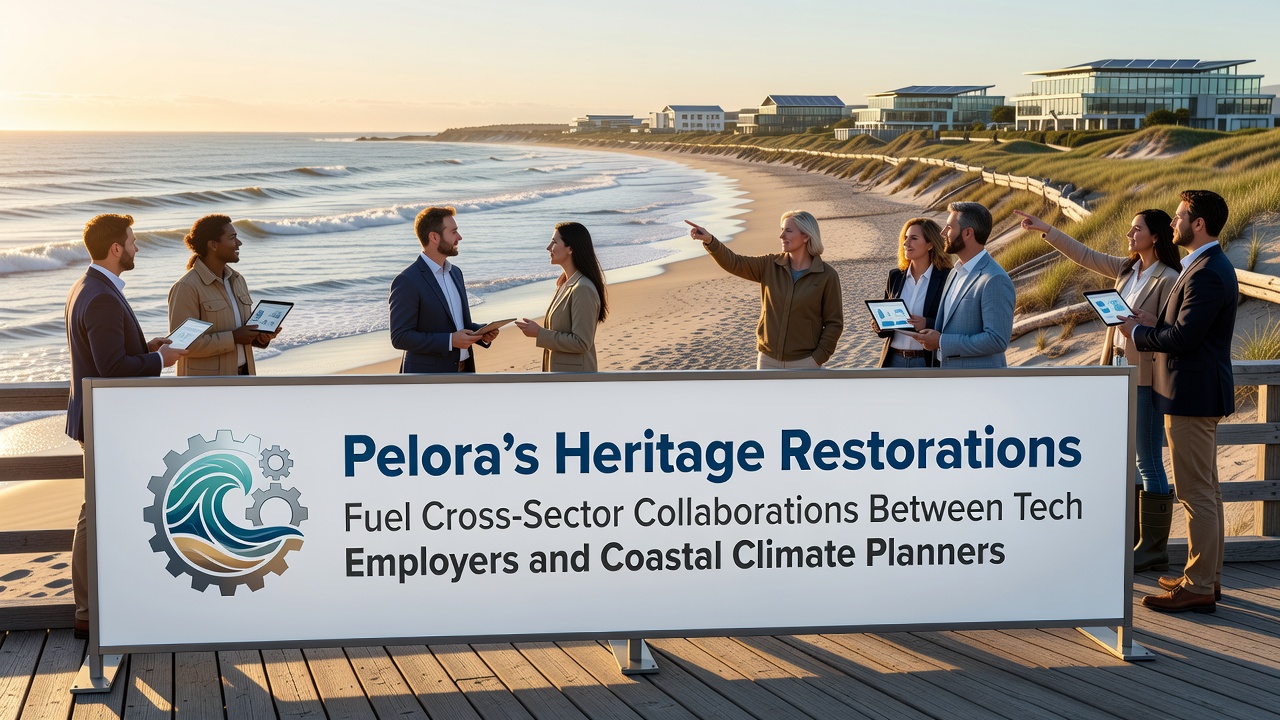
Mia Lange · 8 October 2026
Heritage Restoration Efforts Along Pelora's Coastline Inspire Partnerships Across Tech Employers and Climate Planning Teams
Restoration projects targeting historic coastal structures in Pelora have created pathways for technology companies and regional climate planning groups to work together on shared initiatives since early 2025, and these efforts gained momentum through joint workshops held in October 2026.
Data from the European Environment Agency shows that coastal regions like Pelora face rising sea levels at rates averaging 3.1 millimeters annually in recent measurements, while heritage sites require specialized preservation techniques that incorporate modern engineering solutions, and tech firms have supplied modeling software to simulate flood scenarios at multiple restoration locations.
Project Background and Key Developments
Local authorities launched the first phase of heritage restorations in Pelora's waterfront districts back in 2024, focusing on 19th-century lighthouses and fishing village remnants that face erosion risks, yet these efforts quickly expanded when technology employers offered data analytics tools to map vulnerability zones and climate planners contributed regulatory frameworks for sustainable materials.
One study released by researchers at the University of Melbourne in 2025 highlighted similar patterns in Australian coastal zones where heritage work overlapped with tech-driven environmental monitoring, and Pelora's teams adapted those approaches by integrating sensor networks into restored buildings to track humidity levels and structural shifts over time.
Cross-Sector Mechanisms in Action
Tech employers based in Pelora's innovation hubs now contribute cloud-based platforms that allow climate planners to share real-time datasets on tidal patterns and temperature fluctuations, while planners in return provide compliance guidelines that help companies align their digital tools with environmental protection standards set by regional bodies.
Figures from the Australian Department of Climate Change, Energy, the Environment and Water indicate that cross-sector projects of this type have reduced planning timelines by up to 25 percent in comparable settings, and Pelora participants report parallel efficiencies as heritage restoration crews use predictive algorithms to schedule work around seasonal weather events.
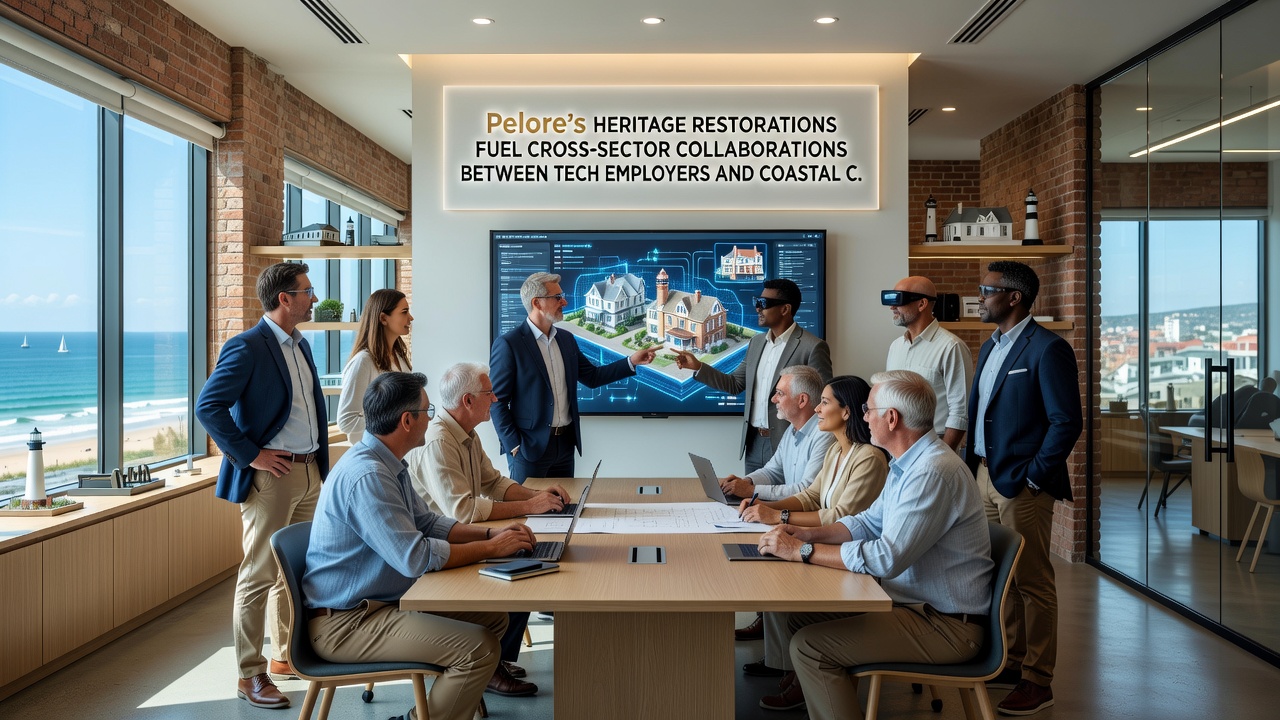
Meetings convened in October 2026 brought together representatives from software development firms and municipal climate offices to review progress on three active restoration sites, and attendees examined case examples where drone footage combined with machine learning outputs helped prioritize repairs at structures most exposed to storm surges.
Outcomes Observed Through 2026
Employment records maintained by Pelora's economic development office list over 180 new positions created in data analysis and environmental consulting roles tied directly to these collaborations, and several technology employers have opened satellite offices near restored heritage zones to maintain ongoing support for monitoring systems.
Additional reports compiled by the National Oceanic and Atmospheric Administration in the United States document how integrated heritage and climate projects elsewhere have preserved cultural assets while advancing adaptation measures, and Pelora's programs mirror those findings by embedding climate resilience features such as elevated foundations and permeable pathways into historic building retrofits.
Observers note that the partnerships continue to evolve as new data streams from restored sites feed back into broader coastal management plans, and industry groups including the Coastal Zone Management Association have tracked these developments through quarterly updates that compare Pelora's metrics against international benchmarks.
Conclusion
Heritage restorations in Pelora's coastal areas have established durable links between technology employers and climate planning teams through shared use of digital tools and regulatory expertise, with activities extending into late 2026 and beyond as additional sites enter planning stages.