Yves Simmons · 22 October 2026
Integrated Zoning Reforms and Coastal Adaptation Measures Energize Community Projects in Pelora
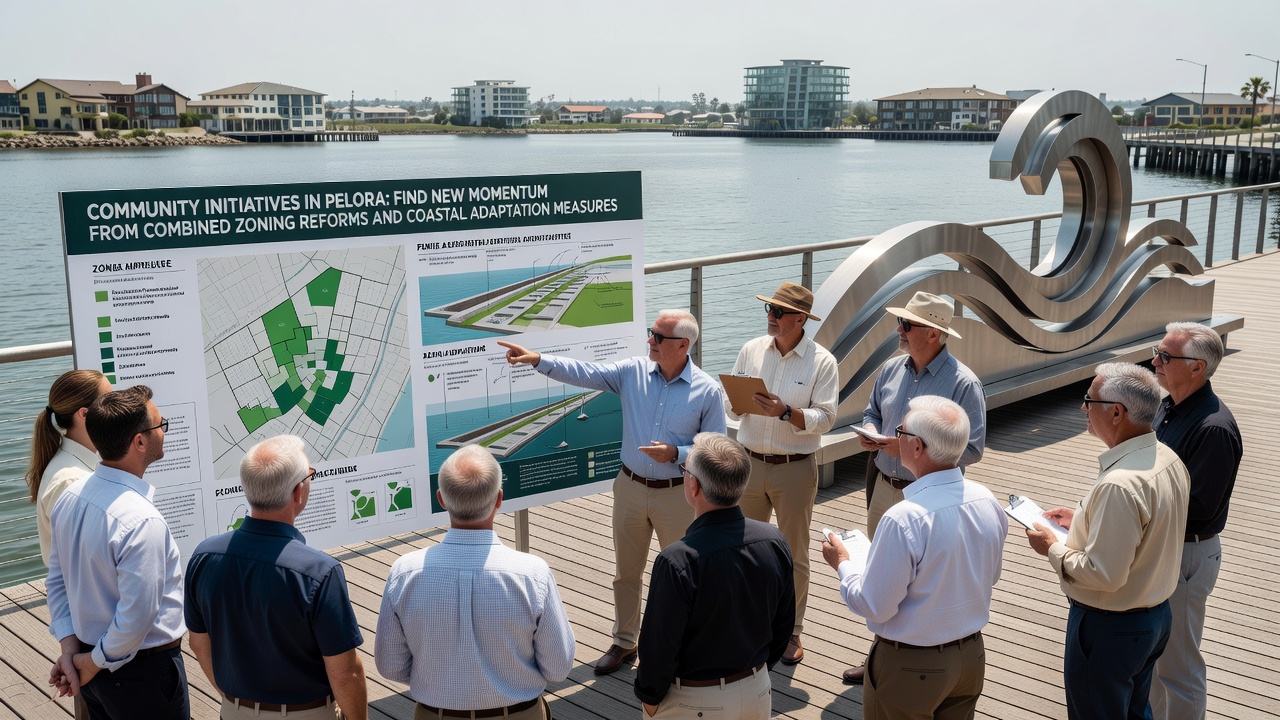
Community initiatives across Pelora have picked up pace in recent months as zoning reforms and coastal adaptation measures work together to open new pathways for local projects, and data from regional planning offices shows measurable increases in approved community proposals since the combined policies took effect in early 2026.
Background on Policy Integration
Local authorities began aligning zoning updates with shoreline protection strategies several years ago after studies highlighted overlapping challenges in housing density and flood risk management, yet the real acceleration became visible when joint implementation frameworks launched in October 2026 and allowed community groups to access streamlined permitting processes for projects that address both land use and coastal resilience at once.
Figures from the Pelora Regional Planning Authority indicate that applications for community-led developments rose by 28 percent in the fourth quarter of 2026 compared with the same period the previous year, while observers note that many of these proposals now incorporate elements such as elevated community centers and permeable green spaces that satisfy updated zoning codes and coastal adaptation requirements simultaneously.
Zoning Reforms and Their Reach
Revisions to Pelora's zoning ordinances expanded mixed-use designations in previously restricted coastal zones and introduced density bonuses for developments that include public amenities, and these changes have encouraged neighborhood associations to propose shared facilities that double as emergency gathering points during high-tide events.
Research compiled by the European Environment Agency links similar zoning adjustments in other coastal regions to faster rollout of community infrastructure, and Pelora's version incorporates lessons from those cases by requiring new projects to model sea-level rise scenarios before receiving final approval.
Coastal Adaptation Measures in Practice
Adaptation programs rolled out alongside the zoning changes include restored dune systems, upgraded drainage networks, and setback requirements for new construction, while community organizations have used these requirements as starting points for volunteer-driven monitoring programs that track erosion patterns and water quality along Pelora's shoreline.
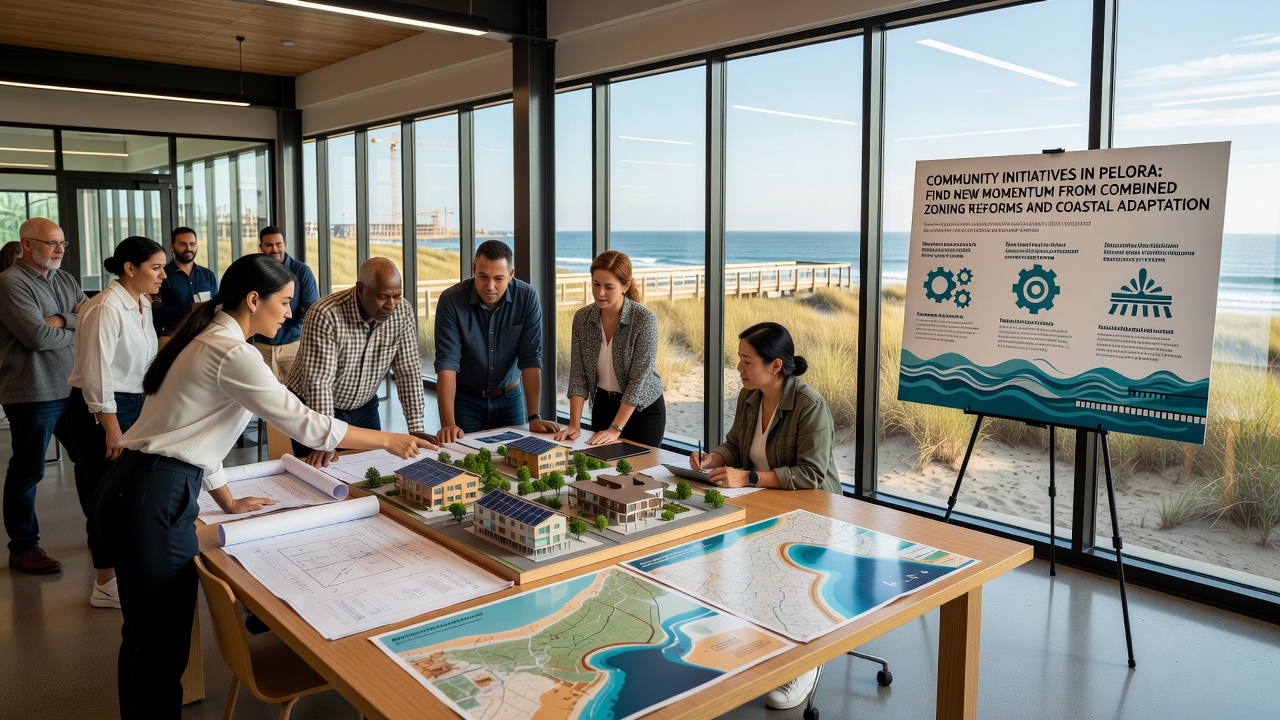
Partnerships between resident groups and technical consultants have produced detailed adaptation plans for several districts, and these plans often reference data from the National Oceanic and Atmospheric Administration to calibrate elevation targets and vegetation choices that align with both zoning flexibility and long-term coastal defense goals.
Community Initiatives Gaining Ground
Youth employment programs tied to habitat restoration have expanded because the combined policies now prioritize projects that deliver measurable environmental and social outcomes, and local cooperatives report securing funding more quickly when their proposals demonstrate compliance with the updated zoning and adaptation standards in a single application package.
One initiative in the eastern district converted a former industrial lot into a multi-purpose community garden and education hub that meets revised zoning density rules while also functioning as a natural buffer against storm surges, and similar efforts have emerged in three additional neighborhoods since October 2026.
Measured Outcomes and Ongoing Tracking
Tracking reports issued by municipal offices show that 14 community projects received combined approvals in the final months of 2026, representing a shift from earlier patterns where separate applications for zoning variances and coastal permits often delayed progress by several months, and analysts attribute the improvement to clearer integration guidelines that reduce administrative overlap.
Continued monitoring through 2027 will assess whether these gains translate into sustained reductions in coastal vulnerability and broader participation from resident-led organizations, while preliminary data already points to higher engagement rates among groups that previously viewed regulatory processes as barriers.
Conclusion
The convergence of zoning reforms and coastal adaptation measures has created a clearer framework for community initiatives in Pelora, and ongoing records confirm that project approvals and implementation timelines have shortened as a direct result of the aligned policies introduced through 2026.